Fauna
Wildlife has its own warning signs, habitats and escape routes. Learn how to pass safely and where to find biological samples, from desert dunes to deep ocean water.

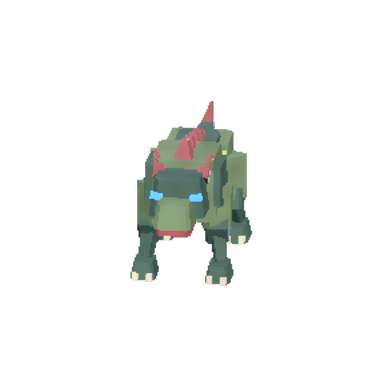
Abyssal predator
Hunts in deep water. A circling fin warns before an attack; shallows and dry land are safe. Shed scales float on the surface.
View entry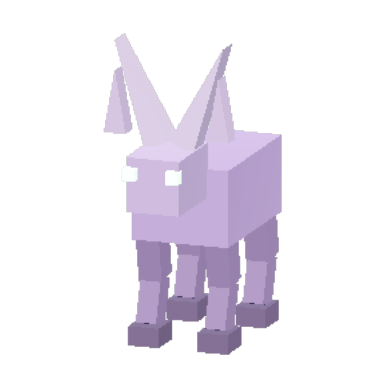
Crystal grazer
A peaceful grazer of crystal plains. Adults lower their antlers in warning and defend young or an attacked herd. Shed antlers can be collected.
View entry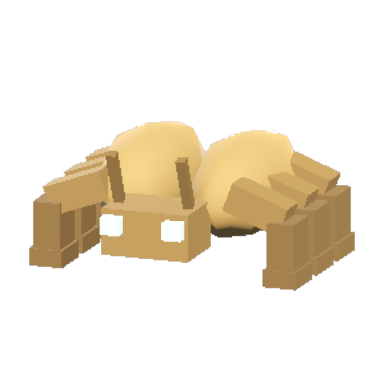
Dune beetle
A shy inhabitant of desert dunes. It travels in small groups, flees approaching visitors and regularly leaves useful molts.
View entry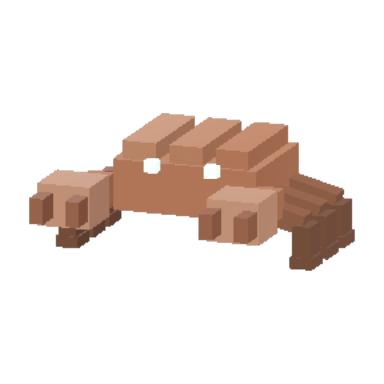
Heat crab
Guards lava vents. Raised claws warn of an attack; leaving its territory calms it. Shed carapaces can be collected without fighting.
View entry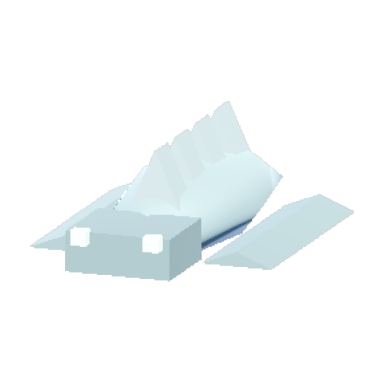
Ice lurker
Lurks on exposed ice. Its back and spreading cracks warn before a lunge; snow and rock provide safety. It regularly leaves frost secretion.
View entry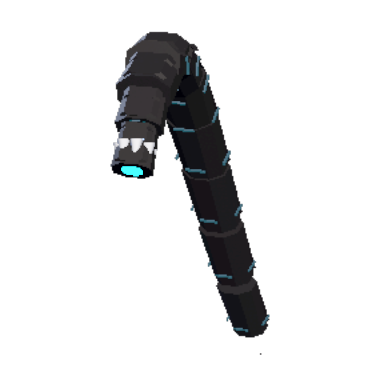
Sand worm
Movement and digging on open sand attract a sand worm. A moving mound and rumbling warn before it lunges, knocks you back and damages structures on sand. Seek rock or overhead cover. It is vulnerable only while striking or retreating; a kill drops three worm chitin.
View entry
Sporeling
A fungal creature with mobile tendrils. When threatened it shakes, releases a defensive cloud and retreats. At rest it leaves spore cultures.
View entry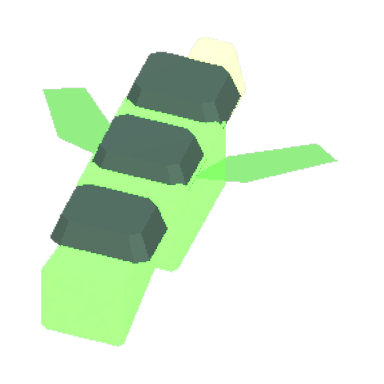
toxic swarm
Flying insects guard nests on toxic worlds. Approaching first stirs a warning swarm; attacking a nest or its defenders provokes projectiles. Retreat beyond the nest’s territory to escape. Each of the nest’s three damage stages releases another wave and fungal loot; the third destroys it.
View entryIn the field
The six sample-producing wildlife species regularly leave samples while calm, so collecting them does not require a kill. These materials offer alternative recipes and trade opportunities; hunting is not required for essential technology. Sample cycles advance while the animals are active.
A calm adult leaves one sample per cycle. Juvenile crystal grazers do not shed. A killed adult drops two samples and a juvenile drops one.